

Last Updated: October 27, 2026
Quick Summary
Practicing God's presence means turning your attention back to God in ordinary moments, again and again, until it becomes second nature. Brother Lawrence's approach uses brief prayers throughout the day, prayer during work, and a gentle return to God after distraction rather than self-condemnation.
- Brother Lawrence (born Nicolas Herman, c. 1614 to 1691) was a Carmelite lay brother who worked in the monastery kitchen in Paris.
- The one-second rule: a prayer short enough to say in a breath, such as "Lord, I am here" or "Jesus, stay with me."
- The suggested routine has six short prayer points and totals about ten minutes. Three of them (waking, midday, evening) are the anchors.
- When you are distracted, return gently. Do not scold yourself.
- When God feels absent, keep the routine, tell God plainly how you feel, and trust the practice over the feeling.
Table of Contents
- The Brother Lawrence Practice of the Presence of God
- Short Prayers Throughout the Day: The One-Second Rule
- Praying While Working: Turning the Kitchen into a Chapel
- Overcoming Distractions in Prayer Without Shame
- A Timed Daily Routine for Practicing God's Presence
- How Christian Presence Differs from Mindfulness
- How to Measure Growth Without Turning Prayer Into Performance
- Begin Your Own Practice of Remaining in His Presence
- Frequently Asked Questions
The Brother Lawrence Practice of the Presence of God
Brother Lawrence did not describe the presence of God as a rare experience reserved for mystics. He treated it as a habit cultivated in ordinary moments, and he turned everyday tasks into occasions for prayer. This guide covers his approach, a suggested daily routine, and how to think about days when God feels far away.
Who Brother Lawrence Was and What He Taught
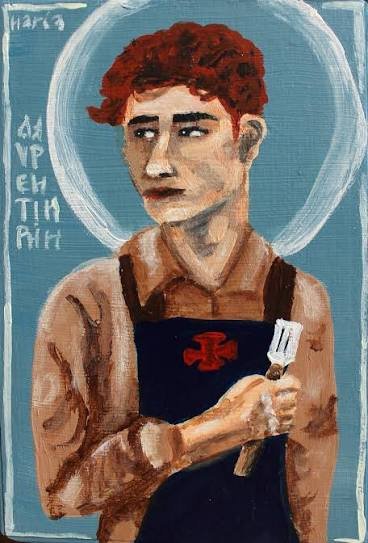
Brother Lawrence was a seventeenth-century Carmelite lay brother, born Nicolas Herman. He spent most of his monastic life in the kitchen of the Carmelite monastery in Paris. He left no book of his own. His Conversations and Letters were gathered after his death by Joseph de Beaufort and published as The Practice of the Presence of God.
His central teaching is simple: do ordinary things in the awareness that God is with you, and when you forget, turn back without fuss.
Why Presence Is a Practice, Not a Feeling
Presence is a habit, not a mood. You can turn your attention to God even when you feel nothing.
You are not trying to manufacture an experience. You are learning to turn back to God, again and again, until it becomes second nature.
Short Prayers Throughout the Day: The One-Second Rule
The one-second rule is a prayer short enough to say in a single breath, so that no moment of the day is too busy for it. "Lord, I am here" and "Jesus, stay with me" are two examples.
Try these through your day:
- On waking: "God, you are here."
- Before a meal: "Thank you, Lord."
- Between tasks: "I return to you."
- When annoyed: "Your peace, Lord."
- At day's end: "I rest in you."
Pick one or two and repeat them until they come without effort.
Praying While Working: Turning the Kitchen into a Chapel
Brother Lawrence did his praying in the middle of his work, among pots and pans. He did not wait for a quiet hour.
One way to follow him:
- Offer a brief prayer before a task.
- Work attentively.
- Return to prayer when your mind wanders.
- Give thanks when the task ends.
The work itself becomes the setting for prayer.
Overcoming Distractions in Prayer Without Shame
Distraction happens in prayer, to everyone. A gentle return is better than self-condemnation, and a wandering mind does not prove you are bad at prayer.
Instead, try this:
- Notice the drift without judgment.
- Say a one-line prayer to return.
- Continue where you left off.
Returning after distraction is an act of love, not a failure.
When God Feels Absent
A season when prayer feels flat does not necessarily mean abandonment. One devotional response is to keep turning toward God without waiting for a particular feeling.
When God feels absent:
- Keep the routine, even shortened.
- Tell God plainly how you feel.
- Lean on Scripture when words fail you.
- Trust the practice over the feeling.
Distraction and dryness are familiar difficulties in the life of prayer, not signs that prayer has failed. That is worth remembering on the hard days.
A Timed Daily Routine for Practicing God's Presence
This is a suggested routine of brief prayers across the day, with adaptations for different schedules.
The Core Routine
The routine has six short prayer points. Three of them, waking, midday, and evening, are the anchors. The others fill in the gaps.
Time |
Practice |
Length |
|---|---|---|
On waking (anchor) |
One-sentence offering of the day |
1 minute |
Mid-morning |
Short prayer before a task |
30 seconds |
Midday (anchor) |
Pause, breathe, return to God |
2 minutes |
Afternoon |
Brief prayer during work |
30 seconds |
Evening (anchor) |
Quiet reflection on the day |
4 minutes |
Before bed |
Gratitude and rest in God |
2 minutes |
The routine totals about ten minutes, spread across the day. If a day falls apart, keep the three anchors.
Adaptations for Different Schedules
Not everyone has a predictable day, so adapt the routine to yours.
The workday version. If your day is meetings and deadlines, pray one sentence before you open your laptop, one before lunch, and one when you close it.
The family version. If you are caring for children or aging parents, use brief prayers at transitions, such as before a meal or when you sit down.
The short version. On difficult days, keep the three anchors: on waking, at midday, and in the evening or before bed.
The bedtime version. If mornings are difficult, pray one sentence when you get into bed and one when you rise.
Tip: Pick two brief prayers you are most likely to keep. You can add others later.
How Christian Presence Differs from Mindfulness
Christian prayer and some forms of mindfulness both involve attention and stillness, but they differ in their object and in their theological framework.
The Object of Attention
The practice of the presence of God is directed toward God, not toward producing a particular interior state. In Christian prayer, the absence of a particular feeling does not mean that prayer has stopped.
The Role of Scripture and Worship
Christian contemplative prayer is tied to Scripture and to the worship of the Church. It is not a private technique detached from either.
Breathing, Stillness, and Their Limits
Stillness can be part of prayer, but it is not required. You can pray while walking, washing dishes, or waiting in line.
Watch Out: If silence, closed eyes, or breath-focused exercises are uncomfortable, choose another way to pray.
A Short History of the Distinction
Christian contemplation is a gaze of faith fixed on Jesus, not a self-improvement project. That orientation, attention directed to God and not merely inward, runs through the writings of the Church Fathers and through later Christian writers on the practice of the presence of God.
How to Measure Growth Without Turning Prayer Into Performance
Prayer is not measured by feelings or by time logged. Instead, you might reflect on:
- Whether you returned to God today.
- Whether you came back to prayer after distraction.
- Whether you kept praying through a dry week.
- Whether you are seeking God or seeking a good feeling about yourself.
Begin Your Own Practice of Remaining in His Presence
Start small. Choose one brief prayer, add a short midday pause, and return to prayer when you notice you have drifted. Brother Lawrence began in a kitchen, and you can begin wherever you are.
EMUNI is a high-end Christian streetwear brand built around "Remain in the Presence." Its minimalist designs integrate Christian symbolism and intentional meaning, and are made as a quiet reminder to return to God in ordinary moments.
Explore the Adoration hoodie →
Frequently Asked Questions
What does it mean to practice the presence of God?
It means turning your attention to God through ordinary moments, not only during formal prayer. Brother Lawrence taught this through short prayers, gratitude, and returning your focus when it drifts. The goal is not constant emotional intensity.
How did Brother Lawrence practice the presence of God in daily life?
He practiced it while working in the monastery kitchen, offering brief prayers during his tasks and returning to God whenever he noticed his attention had wandered.
Is practicing the presence of God the same as mindfulness?
No. Both involve attentiveness, but practicing God's presence is directed toward God through prayer. Breathing and stillness may accompany prayer, but they are not required.
What should I do when I get distracted during prayer?
Notice the drift, say a short prayer such as "I return to you," and continue where you left off. You can also shorten the prayer time, pray aloud, or use a single verse as an anchor.
