

Christian streetwear has moved well beyond the graphic tee with a Bible verse on it. Today it is a way of expressing identity and conviction through the clothes people actually reach for every day, from heavyweight hoodies to carefully set typography.
In 2026, the category sits where faith and modern style overlap. Some brands speak boldly, with large graphics and full Scripture passages. Others work quietly, relying on restraint and small details to carry their message. Shoppers now have room to choose the approach that fits them, without giving up their personal style.
Below are the directions shaping Christian streetwear this year, and how EMUNI, a minimalist Christian streetwear brand, fits into the movement.
Table of Contents
- 1. What Is Christian Streetwear?
- 2. The Rise of Minimalist Christian Clothing
- 3. Premium Fabrics and Elevated Essentials
- 4. Typography, Scripture, and Meaningful Graphics
- 5. Neutral Colors and Relaxed Silhouettes
- 6. Faith Beyond the Church
- 7. The Role of Community and Storytelling
- 8. How EMUNI Fits into the Movement
- 9. Featured Garment: The EMUNI Adoration Hoodie
- 10. The Future of Christian Streetwear
- Frequently Asked Questions
1. What Is Christian Streetwear?
Christian streetwear blends contemporary casual fashion with themes drawn from the Christian faith. It borrows the look of streetwear, including graphic tees, hoodies, crewnecks, and relaxed fits, and pairs it with Scripture, symbols, and spiritual ideas.
The result is clothing that says something about the person wearing it.
For some people, that means a shirt with a direct biblical reference. For others, it is a small cross, a short phrase, or a design that hints at a deeper idea. Some want a bold statement that starts conversations. Others want something quiet enough to wear anywhere.
No single look defines the category, and that variety is a large part of its appeal.
It also reflects a broader desire for clothing that carries meaning. People already use fashion to signal their interests, values, and affiliations. For Christians, what they wear can be one more expression of a faith that shapes how they live.
Christian streetwear doesn't have to look like traditional church merchandise, either. Modern silhouettes, considered typography, and quality materials let faith-centered apparel hold its own in contemporary fashion without losing its spiritual weight.
The best designs bring these pieces together naturally. They work as clothing first, and their meaning adds another layer.
2. The Rise of Minimalist Christian Clothing
One of the clearest directions in Christian apparel is minimalism.
Instead of packing a garment with slogans, graphics, and decoration, minimalist designs hold back. A short phrase, a well-placed symbol, or a simple typographic treatment can deliver a message without overwhelming the piece.
This suits people who want their faith reflected in what they wear but prefer a calmer aesthetic.
Minimalism also makes Christian apparel easier to fold into a wardrobe that already exists. A restrained design pairs easily with denim, relaxed trousers, shorts, and sneakers. The garment doesn't have to dominate the outfit to stay meaningful.
A simple message can still carry real weight. A phrase about prayer or communion may mean a great deal to someone seeking a closer relationship with God. The design doesn't need to explain the theology behind it. It leaves space for reflection and personal connection.
Minimal does not mean uncreative. When a design uses only a few elements, every decision counts: typography, spacing, placement, proportion, and material all shape the result.
That attention is what separates Christian streetwear from generic merchandise. A well-made garment communicates through its words and through its restraint.
For anyone who values simplicity, minimalist Christian clothing is a way to wear something spiritually meaningful while still looking current.
3. Premium Fabrics and Elevated Essentials
The garment itself matters just as much as the message on it.
A compelling phrase may catch someone's eye, but fabric, fit, construction, and comfort decide whether the piece becomes part of their regular rotation.
Shoppers exploring Christian streetwear often look for familiar essentials: heavyweight tees, substantial hoodies, relaxed crewnecks, and comfortable sweatpants. These are pieces people can wear again and again, not just clothes that happen to carry a message.
Fabric weight changes how a garment drapes and feels. A heavier sweatshirt, for instance, tends to hold more structure than a lightweight one. Stitching, ribbing, seams, and finishing add to the overall impression of quality.
Fit is equally important. Relaxed and oversized silhouettes belong in modern streetwear, but the proportions should look deliberate. A garment can be casual and comfortable without looking careless.
This gives Christian brands a chance to put the same care into product development that they put into the message.
In streetwear, "premium" doesn't have to mean formal, extravagant, or covered in logos. It can simply mean a thoughtful silhouette, a satisfying fabric, durable construction, and a design that stays relevant beyond a single season.
The goal for the wearer is clothing that pairs personal meaning with everyday practicality.
A hoodie that says something important should also be a hoodie you genuinely want to put on.
4. Typography, Scripture, and Meaningful Graphics
Words sit at the center of much Christian streetwear.
Scripture references, theological phrases, declarations of faith, and short lines about prayer or devotion can turn an everyday garment into a statement of belief.
That makes typography more than a delivery method. It is part of the design language.
Large lettering creates a direct, graphic statement, while smaller text feels more restrained. Traditional serif typefaces can suggest something literary or historic, and clean sans-serif fonts tend to feel modern. Letter spacing, line breaks, and placement all change how a phrase is read.
The wording matters too.
Some garments make direct declarations of Christian belief. Others use language that invites reflection. A phrase about waiting, remaining, prayer, or communion can point to a spiritual practice rather than simply naming a religious affiliation.
Scripture can appear in different ways. A full verse makes the biblical source explicit, while a short reference invites the wearer, or anyone who notices it, to look up the passage. Symbolic imagery can draw on familiar Christian visual language without relying on words at all.
There is room for both boldness and subtlety.
A large graphic suits someone who wants their clothing to make an unmistakable statement. A small chest print or understated phrase suits someone who prefers a more private expression of faith.
What matters is that the message, the typography, and the garment work together.
When they do, the piece becomes more than a surface for printed text. It becomes a designed object whose form supports its meaning.
5. Neutral Colors and Relaxed Silhouettes
Color and silhouette decide whether a piece feels modern, traditional, understated, or expressive.
Black, white, gray, cream, and muted earth tones make a dependable foundation for everyday wardrobes. They are versatile and make typography and symbolic graphics easier to work into an outfit.
They aren't the only options. Deep burgundy, navy, olive, and other subdued shades add variety without making a piece hard to style.
Color also shapes the mood of a design. White can feel clean and bright, black adds contrast and visual weight, and earth tones tend to feel grounded and natural, depending on the design and setting.
Silhouette plays an equally large role.
Relaxed tees, roomy hoodies, comfortable crewnecks, and matching sweatpants remain core categories in modern streetwear. They can be styled alone or worn together for a cohesive look that doesn't take much effort.
For Christian brands, the challenge is fitting their visual identity into these familiar shapes.
A design should suit the proportions of the garment. A small phrase may work best on the chest, while a larger composition may belong on the back. Placement should look intentional, not like an afterthought.
Versatility matters because people wear their clothes in many settings. A well-considered hoodie can work for a quiet day at home, a coffee run, a night out with friends, or a casual gathering.
In the end, color and silhouette should support both the wearer's style and the message the garment carries.

6. Faith Beyond the Church
Christian clothing has an obvious link to church services, worship events, and conferences. But modern Christian streetwear can be worn the rest of the week, too.
That reflects an important idea: faith isn't confined to a particular building, event, or day.
For Christians who want their beliefs to shape ordinary life, clothing can serve as a personal reminder of the values they hope to carry into everyday moments. A phrase about patience may prompt reflection on a hard day. A reference to prayer may encourage someone to pause. A simple symbol may hold meaning that goes beyond how it looks.
These experiences are personal, and a garment can't replace prayer, Scripture, worship, or the life of faith itself. Still, clothing can become part of the setting in which those practices are remembered and lived out.
Christian streetwear can also open the door to conversation. Someone might notice a phrase or ask about a symbol, and the wearer can decide whether to explain what it means.
Not every piece has to work as an overt evangelistic message. Some are made mainly for personal reflection, while others are intentionally more direct about what they communicate.
Both approaches have a place.
The larger opportunity is clothing that feels natural in daily life while staying connected to something deeper than appearance.
For shoppers, that means choosing pieces that reflect not only what they believe, but how they want to move through the world.
7. The Role of Community and Storytelling
Fashion is shaped not just by products, but by the people who wear them and the stories they attach to them.
That's especially true in Christian streetwear, where a design may stand for a shared belief, a personal testimony, a spiritual discipline, or a particular understanding of Christian life.
Community gives those meanings a visible form. Worship leaders, musicians, creatives, church communities, and individual customers may each discover faith-centered clothing through different channels.
Social media lets brands show garments in everyday settings, share the ideas behind a design, and introduce the people who wear them. Instead of presenting clothing against a plain backdrop, a brand can show how it fits into real life.
Storytelling can also explain why a phrase was chosen, what inspired a graphic, or which biblical idea shaped a collection.
For customers, that context makes a product more meaningful. It lets them understand the intention behind a design instead of judging it only by appearance.
Authenticity is essential. A story should explain the real purpose of a garment, not invent spiritual significance as a marketing tactic.
The link between product and message should also be clear. If a brand speaks about prayer, communion, or devotion, those themes should show up consistently in its language, design choices, and presentation.
Christian streetwear isn't only about displaying a symbol. It can also express a shared interest in the ideas that symbol represents.
8. How EMUNI Fits into the Movement
EMUNI approaches Christian streetwear through minimalism, contemporary design, and a focus on the spiritual meaning behind each garment.
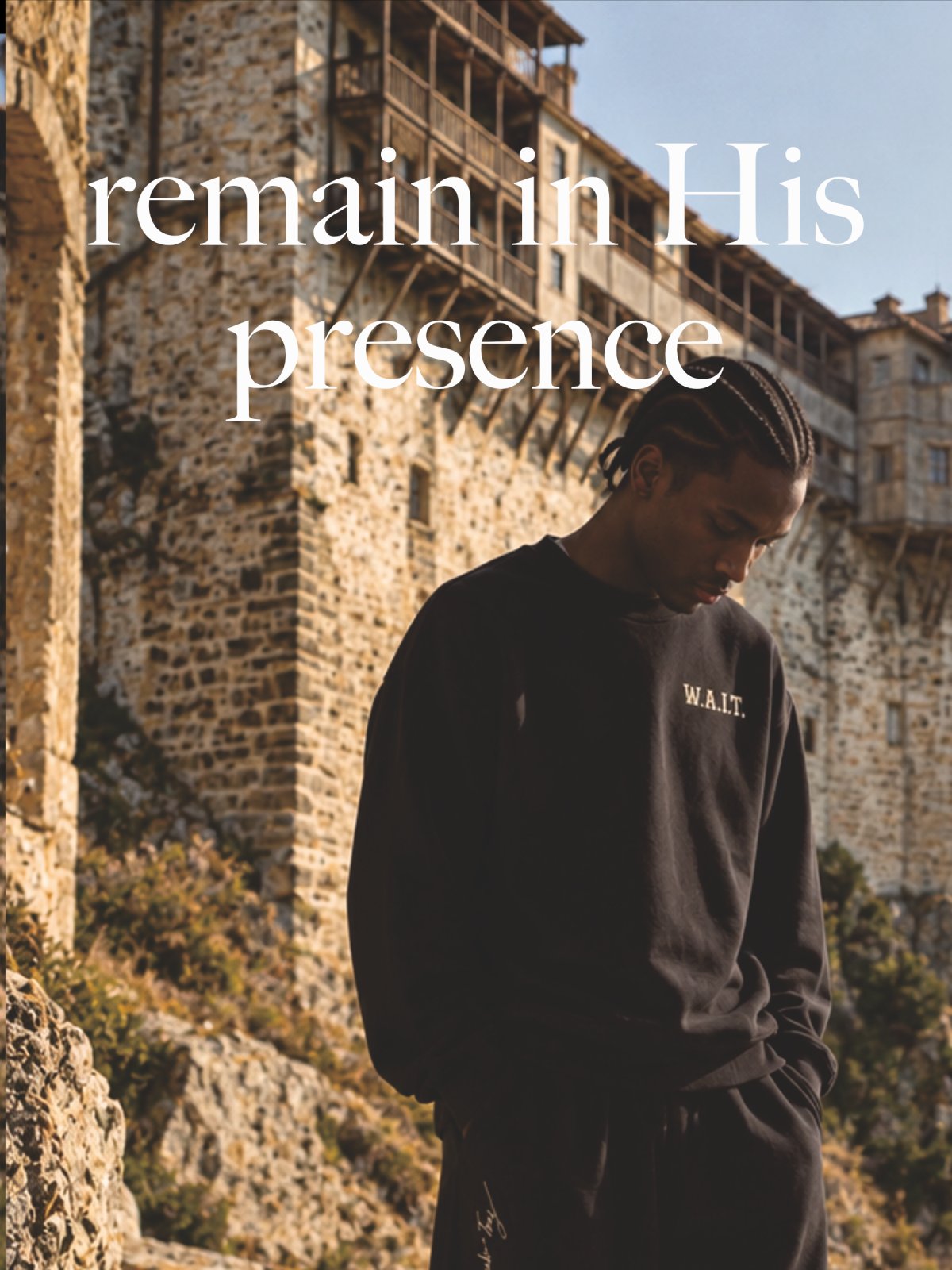
Instead of treating Christian clothing purely as a way to show religious identity, EMUNI builds its language around prayer, communion, waiting, and remaining in the presence of Jesus.
That gives the brand a distinct place in the category. Its approach suits customers who appreciate understated clothing and want pieces that carry meaning without elaborate graphics or loud branding.
The distinction matters: a garment can look restrained and still express a deeply considered idea.
EMUNI's signature phrases include “Remain in His Presence,” “Made for Communion,” and “I Have Become Prayer.” Each approaches Christian life from a slightly different angle.
“Remain in His Presence” points to a lasting orientation of attention toward the Lord Jesus.
EMUNI's look also fits the move toward versatile streetwear essentials. Hoodies, crewnecks, tees, and sweatpants form the base of an everyday wardrobe, while thoughtful typography and product design give each piece its own identity.
The aim isn't to turn every outfit into a statement. It's to make clothing that is easy to wear and stays connected to the ideas behind it.
For shoppers drawn to minimalist Christian apparel, EMUNI offers a place where fashion and faith meet through restraint, intention, and meaning.
9. Featured Garment: The EMUNI Adoration Hoodie
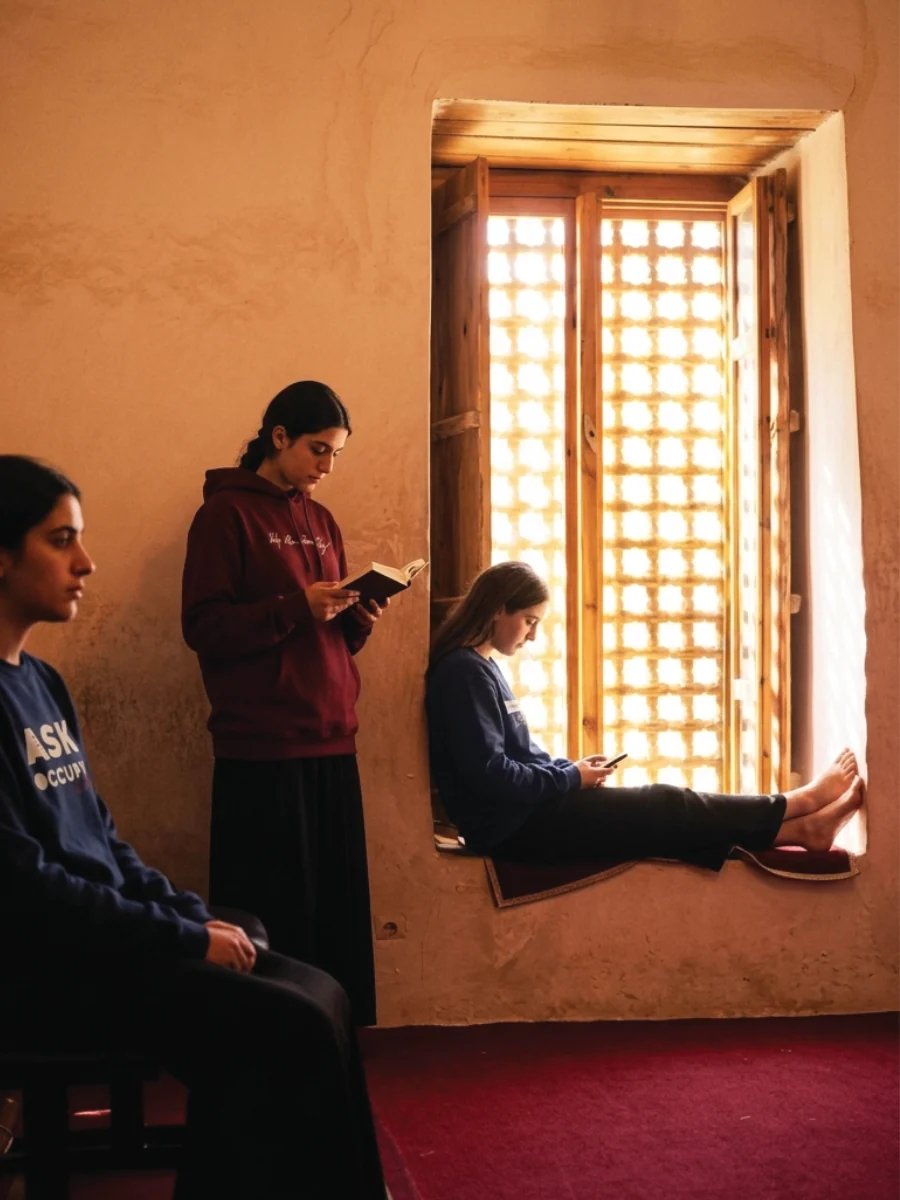
The Adoration Hoodie is a good way to understand EMUNI's approach.
The name points to a central theme of Christian life. In Christian practice, adoration means directing reverence, love, and worship toward God. It's more than an aesthetic idea; it describes an orientation of the heart.
As streetwear, the hoodie brings that theme into an everyday garment.
Hoodies hold a familiar place in casual fashion. They're practical, comfortable, and easy to pair with other wardrobe staples. Depending on construction and styling, they can also have a substantial silhouette that makes a strong visual impression without any formal tailoring.
The Adoration Hoodie connects that familiar form to a faith-centered idea.
Rather than separating spiritual meaning from ordinary clothing, the concept lets the two coexist. The hoodie can be worn through daily activities while keeping its association with worship and devotion.
That doesn't mean wearing it is itself an act of adoration. The garment is a reminder or an expression, not a substitute for the spiritual reality its name evokes.
This distinction is central to EMUNI's wider identity. The clothing is meant to communicate meaning, but that meaning reaches beyond the object.
The hoodie also shows how a product can belong in contemporary Christian streetwear without needing a long explanation. Its category is familiar, its use is practical, and its name offers a way into a deeper subject.
You can explore the piece here:
EMUNI Adoration Hoodie: View the product
As with any garment, check the current product listing for available colors, materials, sizing, and construction details.
The Adoration Hoodie is one example of how EMUNI brings everyday apparel together with a specific spiritual theme. Its significance lies in that relationship: an ordinary garment tied to an idea that, for the wearer, may be anything but ordinary.
10. The Future of Christian Streetwear
Christian streetwear isn't defined by a single trend, and its future won't rest on one aesthetic.
Bold graphics and direct declarations will keep appealing to people who want their clothing to speak openly. Minimalist designs will appeal to those who prefer subtlety. Scripture-based pieces, symbolic graphics, relaxed essentials, and more fashion-forward takes can all coexist within the category.
What matters is how well a brand unites design, product, and message.
Shoppers will keep telling apart clothing that merely borrows Christian imagery from clothing that reflects a more considered approach to faith and design. Quality, fit, visual identity, and authenticity all shape how a garment is experienced.
There is also room for brands to develop distinctive voices instead of repeating the same phrases and graphics. The Christian faith holds a wide range of themes, practices, and theological ideas, and thoughtful design can explore that richness without flattening it into a handful of familiar symbols.
For customers, this means more freedom to choose what suits them. Some will want an expressive statement piece. Others will want versatile essentials with a quieter message. Still others will put fabric, silhouette, and construction first while appreciating a meaningful design.
EMUNI sits on the minimalist side of this landscape, combining contemporary streetwear with language centered on prayer, communion, and remaining in God's presence.
Its approach challenges the idea that Christian apparel has to be visually loud to express conviction.
Ultimately, the most compelling Christian streetwear works on two levels: it is thoughtfully designed and genuinely wearable, and its message means something to the person who chooses it.
Faith doesn't need to be reduced to a trend. And clothing doesn't need to be complicated to express something meaningful.
Sometimes a simple garment and a carefully chosen phrase are enough to make the connection.
Frequently Asked Questions
What defines Christian streetwear in 2026?
Christian streetwear in 2026 is defined less by slogans than by restraint. The dominant look pairs oversized, boxy silhouettes and heavyweight fabrics with small, considered graphics or none at all. Scripture references, crosses, and symbols appear as quiet details rather than full-chest statements. The category now overlaps heavily with mainstream streetwear in cut and construction, with faith carried through meaning and placement rather than volume. That shift is why so many buyers describe current Christian streetwear as something they can wear to work, not just to church.
Can expressive clothing be consistent with a quiet life?
Yes. 1 Thessalonians 4:11 commends living quietly, but the passage addresses ambition and self-promotion, not fabric or color. A bold graphic can be worn in humility, and a plain grey hoodie can be worn to be admired. The test is motive and effect: does the garment point away from you or toward you, and does it make others uncomfortable or serve them? Expressive clothing is not automatically prideful, and understated clothing is not automatically humble. Discernment belongs with the wearer, not the design.
What is the difference between pride and self-expression in fashion?
Self-expression answers the question what do I want to say. Pride answers the question who is watching. The same garment can serve either. A person in a loud shirt may simply love color and craft; a person in a quiet, expensive minimalist outfit may be curating an image of superior taste. Matthew 6:1 to 6 warns against practicing righteousness to be seen, which is a warning about the heart, not the wardrobe. Ask whether you would still wear the piece if no one complimented it.
How do I choose Christian apparel that aligns with biblical modesty?
Start with fit and function rather than labels. 1 Timothy 2:9 to 10 emphasizes propriety and good works over outward display, and 1 Peter 3:3 to 4 points to inward character. In practice, that means clothing that fits without being revealing, that you can move and work in, and that does not make the wearer the center of attention in a room. Fabric weight and construction matter here too, since a heavyweight cotton hoodie holds its shape and drapes cleanly rather than clinging.
Do minimalist Christian clothing brands use ethical production?
It varies, and the label alone tells you little. Look for specifics on the product page: fiber content, whether cotton is recycled or certified, dye processes, and whether items are made to order rather than stockpiled. Made-to-order production, which several smaller brands now use, reduces unsold inventory. Ask where the garment is cut and sewn and whether the brand publishes that information. If a brand cannot answer basic questions about materials and manufacturing, treat the minimalist positioning as aesthetic rather than ethical.
