

Table of Contents
- Understanding What It Means to Remain in God's Presence
- How to Abide in Jesus Through Prayer and Scripture
- Establishing a Daily Prayer Routine
- How to Be Still in the Presence of God
- Prayer Throughout the Day: Remaining Aware of God
- Overcoming Distraction, Dryness, and Doubt
- Remaining in God's Presence as a Way of Life
- Frequently Asked Questions
Last Updated: October 19, 2026
Understanding What It Means to Remain in God's Presence
To remain in God's presence means to stay aware of Him throughout your day, not a feeling you chase or a state you earn, but a conscious choice to turn your attention toward Jesus, moment by moment, and live in communion with Him.
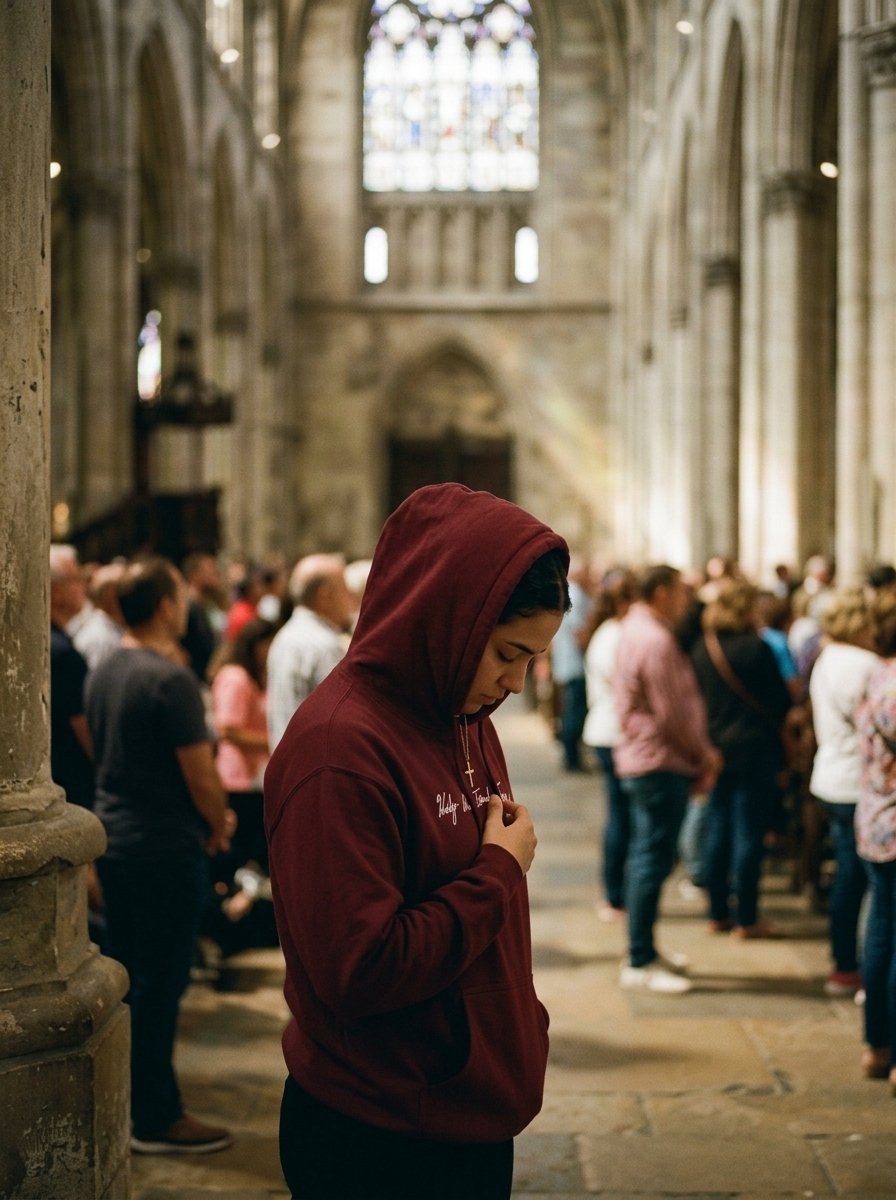
Many Christians treat prayer as a thirty-minute morning task, then set it aside.
This is what Jesus meant in John 15: "Remain in me, and I will remain in you." He described not a mystical achievement but a relationship.
The Biblical Foundation: Abiding in Jesus
Abiding in Jesus is the heart of the Christian life. In John 15:4-5, Jesus tells His disciples, "Remain in me, and I will remain in you. No branch can bear fruit by itself; it must remain on the vine.
This passage is not about spiritual perfection but dependence. The branch's job is simple: stay connected. The vine provides everything else, nourishment, direction, growth.
The early church fathers understood this deeply. Saint John of the Ladder wrote of the "unceasing prayer" that keeps the mind fixed on God, and Saint Hesychius of Sinai taught that brief, repeated prayers anchor the soul in His presence, not techniques to impress God, but ways to train the heart to remember Him.
Presence as Communion, Not Feeling
This is a misunderstanding. Communion with God is real whether you feel it or not.
Consider a married couple. A husband can be present with his wife, attentive, committed, without the emotional fireworks of early dating.
God's presence works the same way. He is present when you feel abandoned, dry, distracted, confused, or angry.
How to Abide in Jesus Through Prayer and Scripture
The path to remaining in God's presence has two anchors: His Word and prayer. Scripture gives you something true to think about; prayer gives you a way to respond. Together they shape your entire day.
Begin with God's Word
Reading Scripture is not optional if you want to remain in God's presence. Your mind needs something to fix on.
Start small: choose a single passage, a few verses from the Gospels or a Psalm, and read it slowly.
- Read the passage aloud if you can. Hearing the words slows you down.
- Read it twice. The second time, you notice details you missed.
- Ask yourself: What does this tell me about God? What does it tell me about how He wants me to live?
The Psalms are especially helpful: they express every human emotion and always turn toward God.
Pray from What You Read
After you read Scripture, pray it back to God. If you read about His faithfulness, say: "I believe You are faithful.
This connects Scripture to prayer and keeps prayer from becoming vague or self-focused.
The medieval monk Saint Benedict taught his community to read Scripture slowly and then sit with it, lectio divina, sacred reading. The process has four steps:
- Read the passage slowly
- Meditate on it, turn it over in your mind
- Respond to God about what you have learned
- Rest in God's presence, without words
Ten minutes is enough, and the practice trains your mind to stay with God's Word and speak to Him from it.
Establishing a Daily Prayer Routine
A routine gives structure to your desire to remain in God's presence; without it, good intentions evaporate. Consistency matters more than length. A fifteen-minute routine you actually do beats a two-hour one you never start.
Morning: Setting Your Attention on God
The morning sets the tone for your day.
Here is a simple morning routine:
- Sit quietly for one minute. Let your mind settle.
- Read a short passage of Scripture, three to five verses.
- Pray about what you read. Be specific. Name the day ahead. Ask God to help you live according to what you have just read.
That is it, fifteen minutes. The point is not to feel spiritual but to turn your attention toward God before the day pulls you in a dozen directions.
Many Christians pray the same prayer each morning, not boring repetition but a practice that settles the mind. Try this:
"Lord Jesus Christ, Son of God, have mercy on me. Guide my thoughts today. Help me see You in the people I meet. Give me patience when I am frustrated. Help me speak truth in love. At the end of this day, bring me back to You. Amen."
Pray this every morning for a week. By day seven, it will be part of you.
Throughout the Day: Brief Returns to God
The real test of remaining in God's presence is not your prayer time but the other twenty-three hours.
This is where brief, repeated prayers matter.
Try this: set a phone reminder for midday. When it goes off, stop for ten seconds. Take a breath.
Many Christians find that a short prayer between tasks works well:
- Before a meeting: "Help me listen well and speak truth."
- Before a difficult conversation: "Give me patience and wisdom."
- When you notice anxiety rising: "Lord, I trust You. Calm my heart."
Saint Paul wrote, "Pray without ceasing" (1 Thessalonians 5:17).
Evening: Reflection and Surrender
How you end your day matters as much as how you begin it. Before sleep, spend five minutes in quiet reflection. Ask yourself:
- When did I remember God today?
- When did I forget Him?
- What did I do well? What would I do differently?
Do not judge yourself harshly. You are not earning God's approval, simply paying attention to your own life.
Then, surrender the day to God. Tell Him: "This day is finished. I give it to You.
This practice has two effects: it prevents worry from following you into sleep, and it closes the loop on your day.
How to Be Still in the Presence of God
Stillness is not doing nothing. It is active attention, keeping your mind and heart fixed on God while everything around you demands your attention.
Creating Space for Silence
Silence is rare in modern life.
To remain in God's presence, you need silence. Not all day. Just some time.
Sit there. Do not fill the silence with words or music or distraction. Simply be present.
At first, your mind will race. Thoughts will crowd in. This is normal. Do not fight them.
Listening Rather Than Speaking
Prayer is not only talking. Prayer is also listening.
Many people approach prayer like a to-do list.
Listening prayer is different. You speak less. You wait more. After you pray your requests, sit quietly.
The medieval theologian Thomas à Kempis wrote about this. He said: "I spoke much in prayer, but I heard little.
Listening does not mean passivity. It means active attention. You are alert. You are waiting.
Prayer Throughout the Day: Remaining Aware of God
The goal is not to spend your whole life in formal prayer. The goal is to weave prayer into the fabric of your ordinary day.
Short Prayers Between Tasks
Between one task and the next, pause. Say a short prayer. This takes ten seconds.
When you finish breakfast, thank God for the food and ask for His presence in your morning.
These brief prayers do two things. They anchor your awareness of God throughout the day.
The Desert Father Abba Dorotheos taught that brief, repeated prayers are like a thread.
Offering Your Work to God
Whatever you do, your job, your housework, your care for others, offer it to God as prayer.
Before you start your workday, say: "Lord, I do this work for You.
The medieval monk Brother Lawrence famously practiced this. He worked in the monastery kitchen, washing dishes.
When you offer your work to God, two things shift.
Overcoming Distraction, Dryness, and Doubt
Remaining in God's presence is not always easy. There will be days when you struggle. Your mind will wander. Your heart will feel cold. You will doubt whether God is really there. This is not failure. This is the normal Christian life.
When You Feel Nothing
Spiritual dryness is common. You pray, but feel no warmth. You read Scripture, but it seems flat.
This feeling is not a sign that something is wrong. It is a test of your faith.
What should you do when you feel nothing? First, keep praying. Do not stop because you feel dry.
When Your Mind Wanders
You sit down to pray. Within thirty seconds, your mind is somewhere else. You are thinking about work.
When you notice your mind has wandered, do not get frustrated.
Think of it like exercise. Your mind is like a muscle. You are training it to stay focused on God.
One helpful practice: write down the distractions.
When Circumstances Press In
Some days, life is overwhelming. Someone you love is suffering. You face a crisis.
The medieval saint Julian of Norwich lived through plague, poverty, and illness.
When circumstances press in, return to what you know to be true.
Pray honestly. Tell God what you feel. Tell Him you are afraid, angry, or exhausted.
Remaining in God's Presence as a Way of Life
Some days will feel rich with God's presence. Other days will feel empty.
Over time, something shifts. Your awareness of God becomes more constant.
This is what it means to remain in God's presence.
This is the invitation Jesus extends to you. Not to achieve something.
When you choose this life, you discover something surprising.
At EMUNI our philosophy centers on exactly this idea. Their pieces use understated design and meaningful symbolism to help you carry your faith into everyday life. The Waiting Still hoodie, for example, is designed for quiet moments, the very moments when you practice remaining in God's presence.

Frequently Asked Questions
What does it mean to remain in God's presence?
To remain in God's presence means to stay consciously connected to Jesus throughout your day, maintaining an ongoing relationship with Him through prayer, attention, and trust. It's not about achieving a constant emotional high or feeling God's presence at every moment. Rather, it's a commitment to turn your heart and mind toward God regularly, even amid distractions and difficulties. This practice draws from John 15, where Jesus teaches about abiding in Him as branches abide in a vine—a living, continuous connection rooted in faith, not fluctuating feelings.
How do I establish a daily prayer routine that actually works?
Start small and consistent. Set aside 10-15 minutes each morning for prayer and Scripture reading. Read a short passage, then pray about what it reveals about God or your own heart. Throughout the day, pause briefly—even for 30 seconds—to acknowledge God's presence or offer a specific concern to Him. In the evening, spend a few minutes reflecting on where you sensed God's guidance or grace. The goal is rhythm and repetition, not length. Many find that a regular time and place—a chair by a window, a quiet corner—helps anchor the habit.
What should I do when I feel spiritually dry or distracted during prayer?
Dryness and distraction are normal parts of the Christian life, not signs of failure. When your mind wanders, gently return it to God without frustration. If you feel emotionally flat, continue praying anyway—faithfulness doesn't depend on feeling. Some find it helpful to pray Scripture aloud, write out prayers, or pray while walking. The early church fathers taught that showing up to pray even when you don't feel like it is itself a form of obedience and love. Trust that God hears you and is present, even when your emotions don't confirm it.
How can I remain aware of God while going about my daily routine?
Weave brief prayers into your ordinary moments. As you start work, pause and ask God to guide your thinking. While commuting, use the time to pray for people you know or listen to Scripture. When facing a decision, turn to God before acting. The goal isn't constant verbal prayer but a posture of attentiveness—recognizing that God is present in your everyday life, not just in formal prayer times. Over time, this awareness becomes more natural, and you'll find yourself instinctively turning toward God in moments of joy, confusion, or need.
Remaining in God's presence is the deepest invitation Jesus offers you. It is not reserved for monks or mystics. It is for everyone who wants to know Him and live in relationship with Him. Start today. Begin with Scripture. Pray from what you read. Set aside quiet time. Return to God throughout your day. When you struggle, return again. Over time, you will discover that His presence is not distant or difficult to access. It is near. It is constant. It is waiting for you to turn toward Him.